Dr. Paolo Bianchini
Nutritionist Biologist Bergamo
Your reference for healthy eating
and natural therapies
Nutritionist Biologist

+39.333.27.37.519.
Prevention and Health
Clinical Nutrition
Pregnancy, breastfeeding, weaning
Natural Therapies
Detox Program
Consultations also for newborns and children
Hair Mineralogram
Intestinal permeability test
Intestinal and vaginal microbiota test
I receive by appointment in Bergamo and online.
Available for home visits.

Why analyze the microbiota
The term "microbiota" refers to the collection of microorganisms that inhabit a certain environment. As far as humans are concerned, the most well-known and studied is certainly the gut microbiota, but the microbiota of other areas are also important, particularly those of the vagina, mouth and respiratory tract, and skin.
The gut microbiota is a real organ and, as such, must have appropriate methods of analysis and dedicated therapies, which can be of four types: nutritional, probiotic, phytotherapeutic, or pharmacological. Knowing the cellular structure of the microbiota organ (the bacteria) allows us to understand its physiology, pathology, and to identify highly personalized therapeutic strategies specific to each individual case.
Analyzing the gut microbiota allows you to:
1. Identify dysbiosis, which is the pathology of the microbiota organ. This makes it possible to understand the contribution of the altered microbiota to the person's systemic pathology or, at the very least, to their state of well-being or discomfort.
2. Set up a specific therapy for that individual person. This is possible by combining all therapeutic approaches: dietary-nutritional, probiotic, phytotherapeutic and, with the contribution of a physician, pharmacological (only if strictly necessary).
The term dysbiosis identifies a progressive disturbance of the microbiota. There are different types of dysbiosis that also affect different body areas: vaginal, oral, cutaneous, and intestinal. Dysbiosis is the opposite of eubiosis, which is the situation in which the bacterial flora is in qualitative/quantitative balance with the organism. Dysbiosis is responsible for or contributes to numerous pathological conditions. For this reason, microbiota analysis is a fundamental tool for developing an effective diet.
The microbiota test is available for the intestine and for the vagina.
When analyzing the microbiota can make the difference


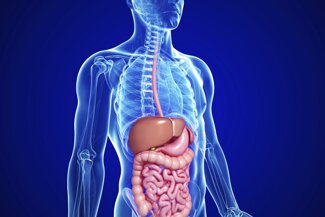

Celiac disease, Gluten Sensitivity, all kinds of allergies and food intolerances, autoimmune diseases.
Overweight, obesity, diabetes, metabolic diseases.
Irritable bowel, Crohn's disease, ulcerative colitis, hepatitis, cancer.
Anxiety, depression, neurodegenerative diseases.