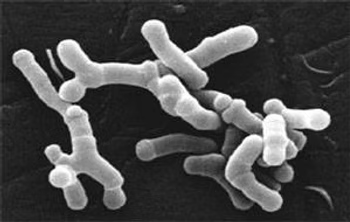
The female genital tract is an ecological niche that should be inhabited only by lactobacilli. Microbial biodiversity must therefore be minimal for there to be health (unlike the intestine where "health" rhymes with "biodiversity"). When, on the other hand, numerous microorganisms coexist creating strong instability, infectious phenomena such as vaginitis, vaginosis, and candidiasis occur with great frequency.
But vaginal health is not just a mere matter of bacterial count. The balance that characterizes this ecosystem, which determines the woman's overall gynecological health, is instead the result of complex interactions and synergies involving the female host together with the lactobacilli: age, menarche and menopause, duration and intensity of the cycle (which means the amount of Fe available to pathogenic bacteria and necessary for their replication), intensity of hormonal drive, peripheral sensitivity to estrogens and progestins, cortisol and immune response, pregnancies, possible infections, contraceptive methods, sexual activity, use of antibiotics, and personal hygiene.
As often happens in Biology, it is the balance of various and numerous factors that creates the best conditions which, in humans, mean health. Knowing the composition of your vaginotype (that is, the bacterial flora that inhabits the vagina) will allow you to rebalance the vaginal ecosystem in a highly personalized way and reduce, concretely, effectively, and without the use of drugs, the risk of bacterial and fungal infections.
I recommend the MyMicrobiota test (www.mymicrobiota.it), a completely Made in Italy service of the highest scientific value. After performing the test, you can have the necessary consultation with me to interpret the report which, otherwise, would remain almost obscure and which, instead, is full of valuable information.