Functional Medicine takes care of the person in a truly holistic way, focusing its intervention not on what makes you sick, but on what makes the individual feel well. In the case of chronic diseases, by definition incurable and tending to worsen continuously and more or less rapidly, the focus of the intervention is a strategy aimed at improving the person's quality of life.
Within Functional Medicine, there are tests to be performed to investigate the person's state that is not immediately assessable, just as in conventional medicine there are blood tests, ultrasounds, etc.
The most important Functional Medicine tests are:
- Body composition measurement. The assessment of body composition allows you to plan the dietary and nutritional supplementation program in a highly personalized and precise way. It allows for a very precise control of the individual response to dietary treatment. It allows you to answer very precisely the questions: "Am I only losing fluids?", "Can I quantify the loss of fat mass?", "Does the diet I am following allow me to protect lean mass?".
- Hair mineralogram. It is a chemical analysis of the hair that allows the measurement of minerals at the intracellular level. Common analyses on biological fluids, on the other hand, provide data at the extracellular level. Although valid, the latter can vary depending on circadian rhythms, sampling techniques, physical exercise, acute or chronic inflammation, infections, neoplasms, stress. The mineralogram is not subject to such fluctuations and is therefore the main test to determine the subject's mineral nutritional status and, consequently, their metabolic activity. This analysis is also useful for identifying and assessing the patient's endocrine response. In fact, it is absolutely central for health to assess the individual's mineral nutritional status, because hormones, enzymes, proteins, neurotransmitters, and various other chemical messengers are governed, for the most part, by the indispensable catalytic action of minerals. This is also true for vitamins. Furthermore, the accumulation of toxic metals and the deficiency or non-bioavailability of physiological metals means that the latter are replaced by toxic ones in their biological functions, significantly contributing to the patient's state of malaise. The mineralogram is not "alternative" to common blood tests, but integrates information that would otherwise not be possible to obtain.
- EIT PLUS digestive function test. This is a very important test that allows the evaluation of almost all clinical conditions of the entire digestive system. Since many symptoms and/or diseases originate in the digestive system, any systemic conditions are also assessed: gastrointestinal disorders in fact represent the heaviest imbalance factor for Health and poor digestion, malabsorption, intestinal dysbiosis, and leaky gut are the starting etiological point of diseases at all levels. It is therefore a very important screening test that often reveals previously unsuspected dysfunctions. It analyzes 27 integrated laboratory parameters, obtained from a stool and urine sample.
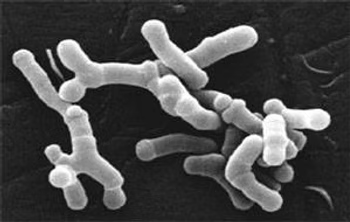
- Intestinal and vaginal microbiota test. The gastrointestinal tract hosts an incredible population of beneficial microorganisms, responsible for the balanced functioning of the digestive and immune systems. The functions of the microbiota are inextricably linked to those of the intestine. There cannot be a healthy microbiota in a diseased intestine, nor a healthy intestine with an altered microbiota. The intestinal microbiota is composed of numerous microorganisms (over 800 different microbial groups!) that are normally in balance with each other. In addition to the intestinal microbiota, the vaginal, skin, oral, and airway microbiota are also relevant. The term dysbiosis refers to a progressive disturbance of the microbiota. There are different types of dysbiosis, depending on the area involved: vaginal, oral, skin, and intestinal. Dysbiosis is opposed to eubiosis, that is, the situation in which the bacterial flora is in qualitative/quantitative balance with the organism. Dysbiosis is responsible for or participates in numerous pathological conditions. For this reason, the analysis of the microbiota (intestinal, even for newborns, or vaginal) is a fundamental tool for developing an effective and highly personalized diet and therapy.
- Self-diagnosis tests. Numerous tests can be performed on a small sample of capillary blood, taken from a finger. The tests that can be requested concern: allergies and food intolerances (in a single test!), omega 3, total cholesterol, LDL, HDL, triglycerides, ferritin, glycated hemoglobin, vitamin D, vitamin B12, histamine, blood minerals (magnesium, zinc, selenium). These tests allow for rapid assessment, with the support of a reliable laboratory, of numerous parameters not always available or only available after a more invasive sample. This lower invasiveness is certainly an advantage, for example for children.