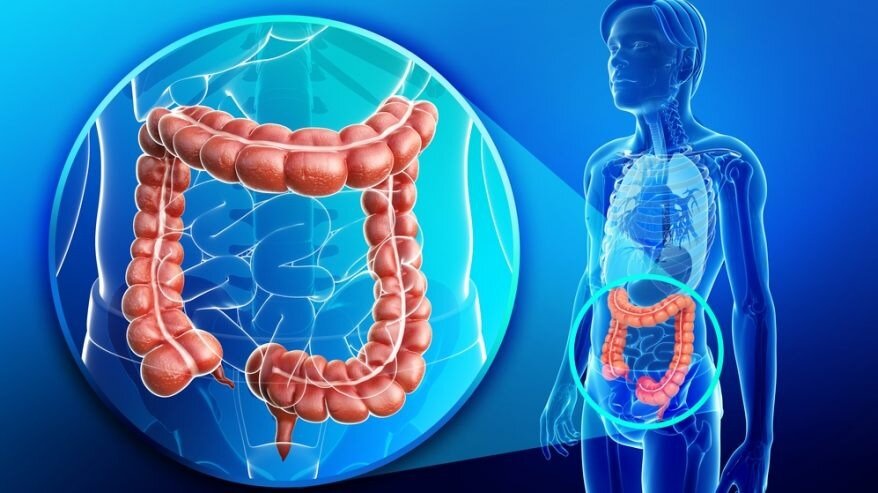
Already Hippocrates, 2500 years ago, had noticed that all pathological conditions of a person are connected to the well-being of our main organ: the intestine. Modern scientific literature only confirms this ancient teaching and indeed increasingly emphasizes how correct intestinal function is crucial in achieving and maintaining a perfect state of health.
This full state of health, which is our rightful due, is threatened every day by many factors that undermine the structural and functional integrity of the intestine. It is therefore necessary to accurately assess some important parameters in order to allow the person to fully recover the functionality of this organ. This functional recovery necessarily passes through the restoration of the integrity of the intestinal mucosa, the rebalancing of the intestinal bacterial flora (microbiota), and the removal of any parasites that may inhabit our intestine, by applying the Functional Medicine 4R protocol (Remove, Reinoculate, Replace, Repair).
The most comprehensive test to assess the functionality and integrity of the intestine is the EcoIntestinal Test Plus (EIT-PLUS), which measures as many as 27 parameters on a sample of stool and urine. Thanks to the combination of these numerous parameters, it is possible to assess almost all clinical conditions related to the digestive system. Since many symptoms and/or diseases originate from the digestive system, this method can also be used to assess possible systemic conditions. It is therefore a very important and highly effective screening test that often reveals previously unsuspected dysfunctions. It also has the advantage of being simple and non-invasive.
On the stool, 25 parameters are analyzed, in particular: consistency, shape, color, pH, mucus, pus, blood, hemoglobin, erythrocytes, leukocytes, nitrites, specific weight, ketones, vegetable fibers, urobilogens, bilirubin-stercobilins, proteins, sugars, fats, calcium crystals, gallstones, Lactobacilli, Lactobacilli/saprophytic Enterobacteria ratio, Candida, Protozoa, and Helminths.
On the urine, 2 parameters are analyzed, in particular: indicanuria and the cellobiose test.
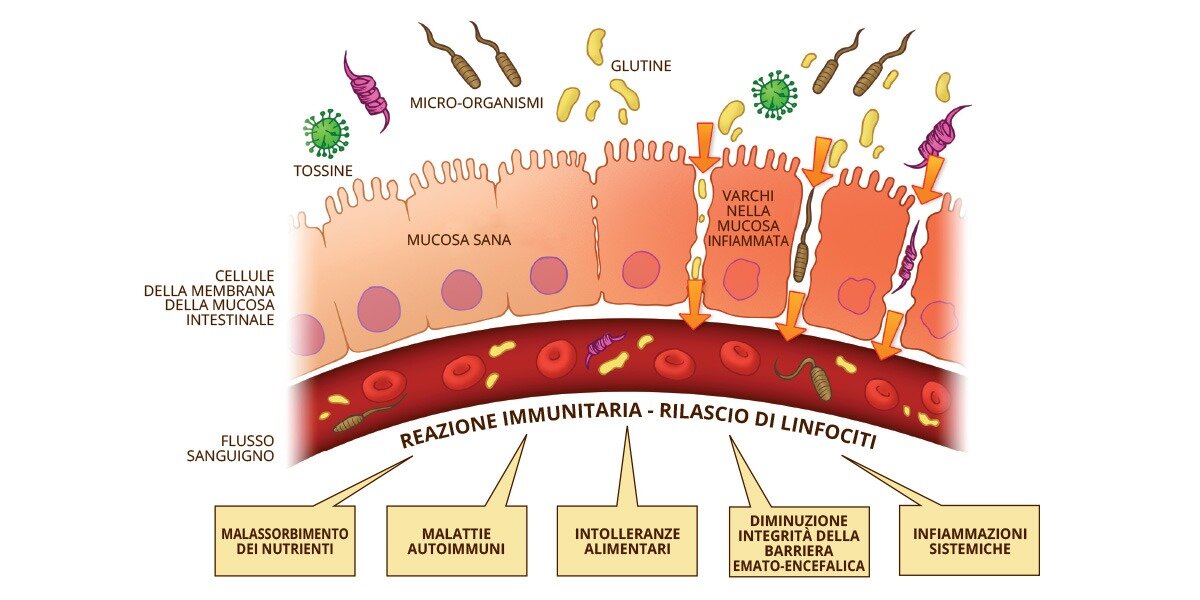
The analytical results concern: digestion and absorption, bacterial, fungal and parasitic ecology, intestinal immunology, inadequate chewing, intestinal transit, gastrointestinal autonomic nervous system, entero-colic inflammation, hemorrhages, colonic heteroplasias, obstruction of excretory ducts, enterohepatic circulation, liver diseases, blood diseases, quality of nutrition and the body's response, fermentation or putrefaction, eubiosis or dysbiosis, integrity of the intestinal mucosa (Leaky Gut Syndrome).
The integration of these 27 laboratory parameters makes it possible to differentiate the quality, quantity, and location of any imbalances present in the various sections of the digestive system. These dysfunctions, often unrecognized, can have repercussions not only locally, but also generally.
The final processing of the test includes: - The analysis of the various parameters; - Clinical suspicion; - Possible continuation of the diagnostic process and/or follow up; - Possible corrective interventions of a natural type.