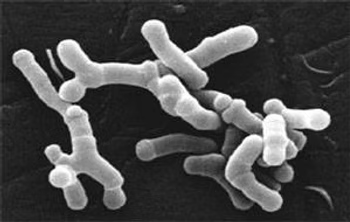
The gut microbiota is the subject of an ever-increasing number of studies that link it to very different yet interconnected medical specialties: Gastroenterology, Cardiology, Neurology, Psychiatry, Dentistry, Oncology, Endocrinology, and Metabolism. And it is precisely in the fight against obesity ("the scourge of the third millennium") that the gut microbiota can help us tremendously.
Obese individuals, in fact, typically present a HIGH ratio between the two most important intestinal bacterial genera (Firmicutes/Bacteroidetes), which implies:
Fermentative dysbiosis, resulting in abdominal bloating, typically diarrhea-like bowel changes, and the presence of flatulence.
The microbiota's ability to increase caloric extraction from food. Inevitably, this leads to weight gain or difficulty losing weight.
Intestinal dysbiosis generates and/or maintains a high inflammatory profile. This makes it increasingly difficult to escape the state of insulin resistance that characterizes obesity.
The qualitative-quantitative alteration of the microbiota can also affect bacterial genera that protect the liver, leading to increased hepatic steatosis, even in non-drinkers.
Intestinal bacteria are able to influence our food choices, because their nourishment depends on them. Here is another aspect that ties us to the obese phenotype and that is difficult to counter if we do not know its origin.
The gut microbiota is a real organ and as such has analytical methods and dedicated therapies that can be nutritional, bacterial, phytotherapeutic, and pharmacological. Analyzing the gut microbiota allows you to:
Identify dysbiosis, which is the pathology of the microbiota organ. This also makes it possible to understand how and to what extent dysbiosis contributes to the patient's systemic disease.
Set up a specific therapy for that patient. This is only possible if there is certainty of dysbiosis. In order to create a "tailored" therapy for the patient, aimed at reducing the contribution that dysbiosis gives to the patient's pathology, it is necessary to know with 100% certainty which microorganisms are in excess or deficiency and to what extent.
The test I recommend is MyMicrobiota (www.mymicrobiota.it), a completely Made in Italy service of the highest scientific value. After performing the test, you can have the necessary consultation with me to interpret the report which, otherwise, would remain almost obscure and which instead is packed with valuable information.