The functionality of the digestive system is one of the most important for the physiological functioning of the body, both at the digestive and microbial level. Today, in fact, there is a huge amount of information on the composition and functioning of the intestinal microbiota (which was once called intestinal bacterial flora) and more and more this "new" organ is placed at the center of various therapeutic interventions (dietary, supplemental, pharmacological, even surgical with fecal transplant).
Over the years, therefore, many different tests have been developed aimed at understanding the physiology of the intestine, its physiological integrity, and studying its microbial population, both bacterial and of other types (fungi, protozoa, helminths, viruses).
In this article I want to analyze the different tests that over the years I have encountered most frequently and that I myself recommend to my Patients, in order to clarify the differences between the various tools we have available to improve our health, in the most informed way possible.
DIGESTIVE FUNCTIONALITY TEST ECO INTESTINAL TEST (EIT) PLUS
It is a test proposed by the company Gheos, available only through a network of professionals who are in contact with the company (of which I am evidently a part). It is a test that analyzes 25 chemical-physical parameters in the stool and 2 in the urine, which have biological significance. From fecal alterations it is possible to deduce which organ of the entire digestive system is presenting problems. For example, if the stool is particularly fatty, there is a digestive insufficiency of the liver, but also of the intestine (absorption) and pancreas. This will result in a loss of energy and fat-soluble vitamins and therefore the diet must take this into account. In the urine, two parameters are measured that inform us about any dysbiosis present (indicanuria) and intestinal permeability (cellobiose test). The EIT PLUS is a very valid test for evaluating the digestive and absorptive capacity of the intestine and allows a full assessment of the physiological function of each organ that makes up the digestive system. I remind you, for further comparison, that the medical tests we are used to (transaminases, amylases, etc.) do not assess the physiology of the organ, but the existence of a pathology! Very often, in fact, the person's problem does not fall within a real pathological framework, but the Patient experiences a dysfunction of one or more organs that give rise to the symptoms the person experiences and describes. From a bacterial point of view, finally, it is a very primitive test, because it is limited to describing the presence of "Enterobacteria" and "Lactobacilli" and their ratio. This test should be chosen to work on intestinal functionality rather than for the precise identification of dysbiosis, for which other tests are more suitable.
GUT SCREENING (Valsambro Laboratory, www.valsambro.it, Bologna)
It is an excellent test aimed at investigating the presence of pathogens in the intestine, of various origins: bacterial, fungal, parasitic. Also interesting is the aromatogram, that is, the antibiotic sensitivity test conducted with essential oils. Essential oils, in fact, are powerful antibiotics that have the characteristic of not giving rise to the phenomenon of resistance, as happens with synthetic antibiotics. The aromatogram identifies with quantitative precision the most effective essential oil against the pathogen that has been identified in that particular person, thus personalizing the subsequent therapy. An advantage of this test, moreover, is that it clearly shows the presence of different species of Candida, a limitation is that it does not search for all the bacteria that may be present in the stool and therefore, from a bacterial point of view, it is limiting.
MYMICROBIOTA MICROBIOTA TEST (www.mymicrobiota.it, Parma)
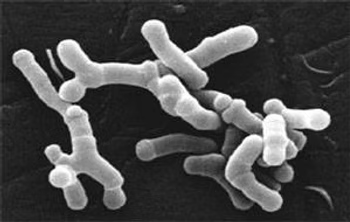
It is a test based on the most recent molecular biology techniques aimed at precisely identifying exclusively the bacteria present in the stool and therefore in the colon. Bacteria can be distinguished from eukaryotic cells (our own cells, but also those of parasites such as Candida and nematodes), because they possess a specific piece of genome known as 16S RNA. By identifying this specific genomic fragment characteristic of each bacterial species, we can search for all the bacteria known to be present in the human intestine.
This methodology has a great advantage in that it is extremely accurate in quantifying the presence of bacteria. The limitation is that it only deals with bacteria, so this type of test does not find Candida simply because it does not look for it. But searching for Candida with a genetic methodology like this is not possible, because from a genetic point of view Candida is indistinguishable from our intestinal cells which, naturally shedding, end up in the stool.
WHICH TEST SHOULD I CHOOSE? OR, WHICH TEST IS THE BEST?
Let's answer both questions, very important but with a common denominator.
Which test to choose depends on the problem that characterizes you and the paths you may have already tried. If the problem is functional and limited to the digestive-intestinal sphere, it may be useful to first resort to the EIT PLUS, in order to verify which organ is suffering and provide specific help. If the problem instead takes on a systemic character, it is worth considering one of the other two tests. For example, if you suffer from food intolerances, more or less seasonal allergies, autoimmune or metabolic disorders, seriously consider that as a cause-contributing factor of your situation there is certainly a bacterial dysbiosis. Your test is therefore MyMicrobiota. If you have been suffering from chronic fatigue for some time and have already tried many other avenues, seriously considering the Valsambro Gut Screening is not a mistake, because Candida contributes to/determines this state of malaise. The two tests also pair well in other cases, such as recurrent cystitis resistant to therapies, autoimmune and metabolic diseases, mood disorders. As you can see, many of the indications of the two tests overlap, so it is up to the skill of your practitioner to choose the best for you.
There is therefore no "best" test compared to the others, because they are all Functional Medicine tests and in this field we investigate the degree of deviation of the personal situation from physiology. The tests I have mentioned here are, in my experience and evaluation, the best in their respective fields. They can be further improved not so much and not only by the progress of technique and scientific knowledge in general, but above all by the rationale with which they are requested and by the therapeutic project that follows the report. And for this reason, the experience and preparation of the practitioner who follows you remain unsurpassed as the real decisive point for your health.